


“T50 tank”, “IMO 5”, “T11 cargo” — the tank container industry compresses a lot of engineering into short codes. If you specify components, these codes determine pressure classes, valve requirements, and even whether a bottom outlet may exist. Here is the decoder.
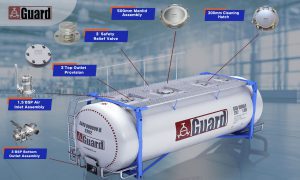
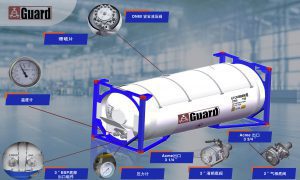
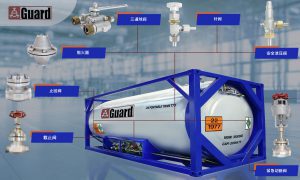
The IMO Tank Types
The IMDG Code groups portable tanks into classes by hazard:
- IMO Type 1 – highest-danger cargoes (chlorine, ammonia analogues). Thickest barrels, lowest working pressure ratios, strictest provisions. Many cargoes prohibit bottom discharge entirely.
- IMO Type 2 – medium-danger cargoes; a large share of industrial chemicals
- IMO Type 5 – LNG/gas service (now aligned with the T75 tank instruction) — cryogenic insulated tanks
Note: current regulations speak in tank instructions (T-codes) rather than IMO classes, but the IMO vocabulary persists in daily industry usage.
The T-Codes (Tank Instructions)
The UN Model Regulations assign each dangerous good a tank instruction defining the tank it may travel in:
- T1–T22 — general chemical service. Increasing numbers generally mean stricter requirements (minimum test pressure, bottom discharge restrictions, relief device provisions). T14–T22 cargoes include many of the substances that restrict or prohibit bottom outlets — the tank is then discharged from the top through a dip pipe with external valves.
- T50 — refrigerated liquefied gases (LPG, ammonia, VCM). Working pressures around 18–22 bar; valve families, relief sizing, and materials are entirely different from chemical tanks.
- T75 — cryogenic gases (LNG, nitrogen, oxygen). Vacuum-insulated, low-pressure cryo service.
What the Codes Change for Valves
| Tank family | Valve implications |
|---|---|
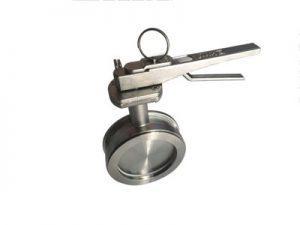
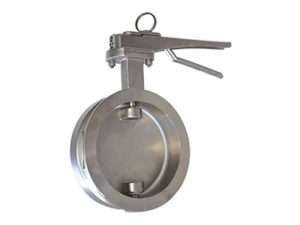
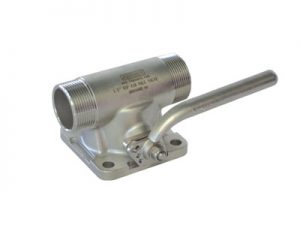
| T1–T22 (chemical, bottom discharge allowed) | 3-way bottom valve (EN 14432), butterfly valves, air inlet valve, manlid assembly |
| T1–T22 (bottom discharge restricted) | Top-only discharge via dip pipe; external ball/butterfly valves dominate; bottom outlet blanked or omitted |
| T50 (refrigerated gas) | High-pressure valves, excess-flow valves, dual relief devices, low-temperature seals |
| T75 (cryogenic) | Cryogenic-rated valves, extended bonnets, special seal materials |
Why Valve Suppliers Ask for Your Cargo List
A valve qualified for general chemical service (T1–T11 typical) is not automatically qualified for gas service or restricted-cargo tanks. The cargo list determines:
- Whether bottom discharge is permitted at all
- Required valve standard and certification scope
- Seal compatibility (aggressive cargoes demand FKM or PTFE families)
- Pressure class of every component
Supplying a complete cargo list up front is the single fastest way to get an accurate valve quotation.
Quick Reference Summary
- IMO 1/2 = hazard classes of chemical tanks; IMO 5 = gas tanks
- T1–T22 = chemical tank instructions; T50 = refrigerated gas; T75 = cryogenic
- Higher/restricted T-codes → stricter valve rules, often top-discharge only
Not sure which valve configuration matches your tank code? GUARD engineers spec valve sets for T1–T22, T50 and T75 service. Get a technical review.