


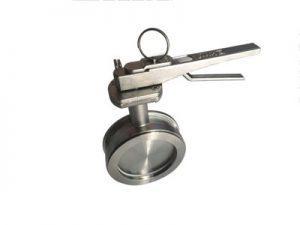
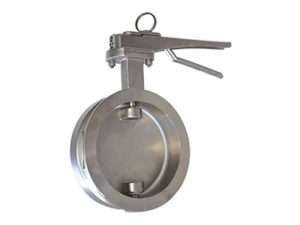
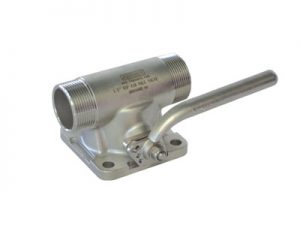
“100% tested” appears on every valve brochure. What it actually covers varies enormously between suppliers. This article walks the complete testing chain for certified tank container valves — so you can audit what you are really buying.
Stage 1: Material Verification (Before Anything Is Machined)
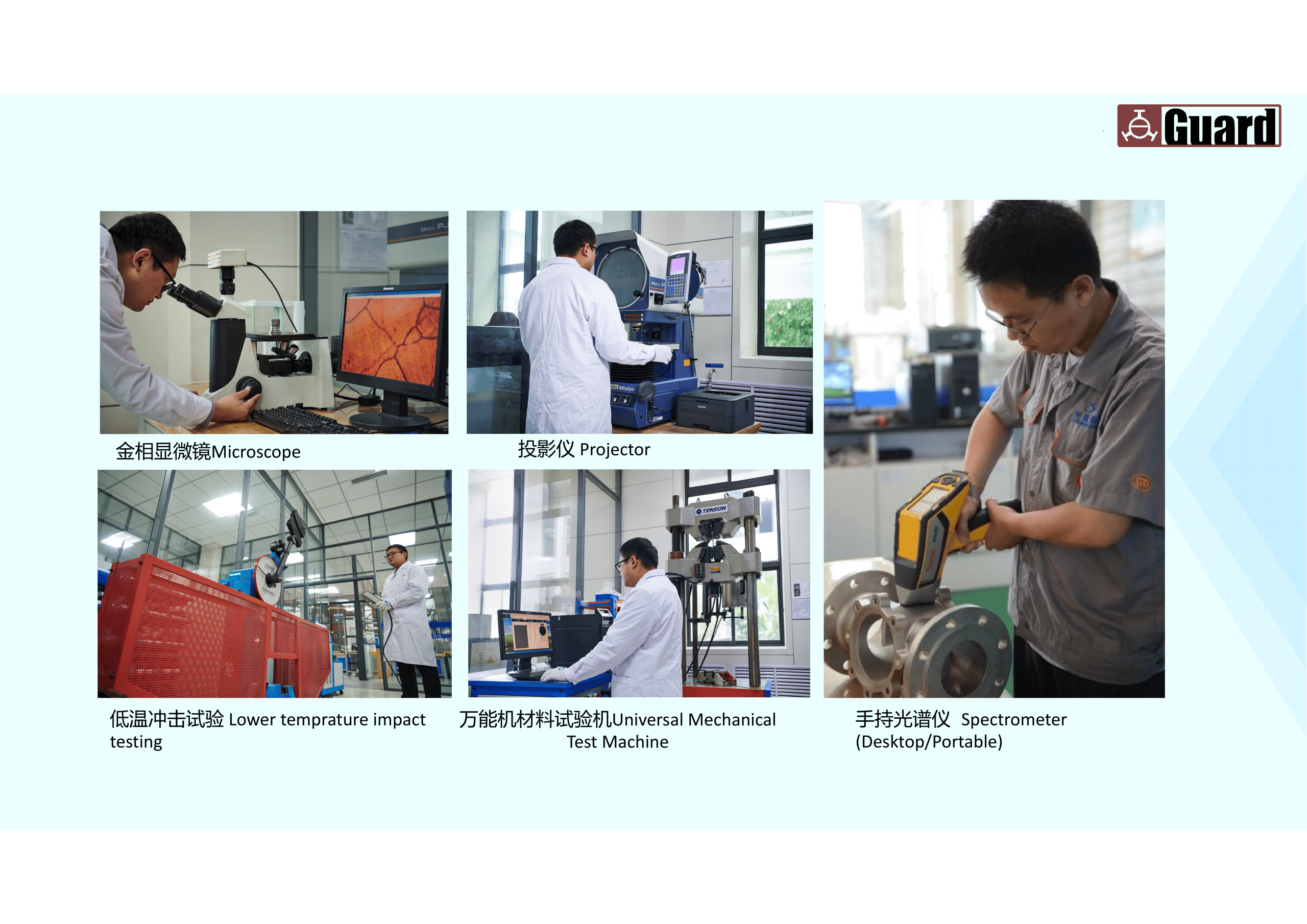
- Chemical analysis per heat — confirms the 304/ 316/ 304L/ 316L composition
- Mechanical tests — tensile and yield on sample castings per batch
- EN 10204 3.1 certificates issued per heat number, matching the casting traceability marks
Without this, every later test is built on unknown material.
Stage 2: Dimensional and Surface Inspection
Machined surfaces, threads, and sealing faces checked against drawings; castings inspected for porosity and surface defects (dye penetrant on critical pressure-boundary areas per the applicable procedure). Flange drilling and facing geometry verified against the manifold interface standard.
Stage 3: Hydrostatic Body Test
The assembled valve body is pressurized with water — commonly at 1.5× rated pressure — and held while inspectors check the shell, bonnet joint, and casting integrity. Per EN 12266 (industrial valve testing) and the valve’s EN type-examination schedule, this proves the pressure envelope.
Stage 4: Seat Leak Test
The test that matters most in service:
- Low-pressure seat test (typically ~6 bar or per class) — the classic “soap bubble” test on the seat with the valve closed
- High-pressure seat test at rated pressure for safety valves and discharge valves
- Set pressure verification for relief valves — each valve popped on a bench to confirm opening pressure within tolerance, then re-seal checked
A valve can pass the body test and fail the seat test — worn seats, contaminated sealing faces, or assembly errors show up exactly here.
Stage 5: Functional and Endurance (Type Level)
At type-examination level (not per-unit), valves prove endurance: thousands of open-close cycles, thermal cycling, and for EN 14432 bottom valves, breakaway and emergency-closing scenarios. This is laboratory-grade testing done once per design — your per-unit tests confirm the design is faithfully reproduced.
Stage 6: Marking, Traceability, Documentation
Each valve receives: body casting marks (heat number, size, pressure class), the certification marks required by the type examination, batch number, and — in a documented shipment — the certificate package: 3.1 materials, test records per serial, and the type-examination certificate reference.
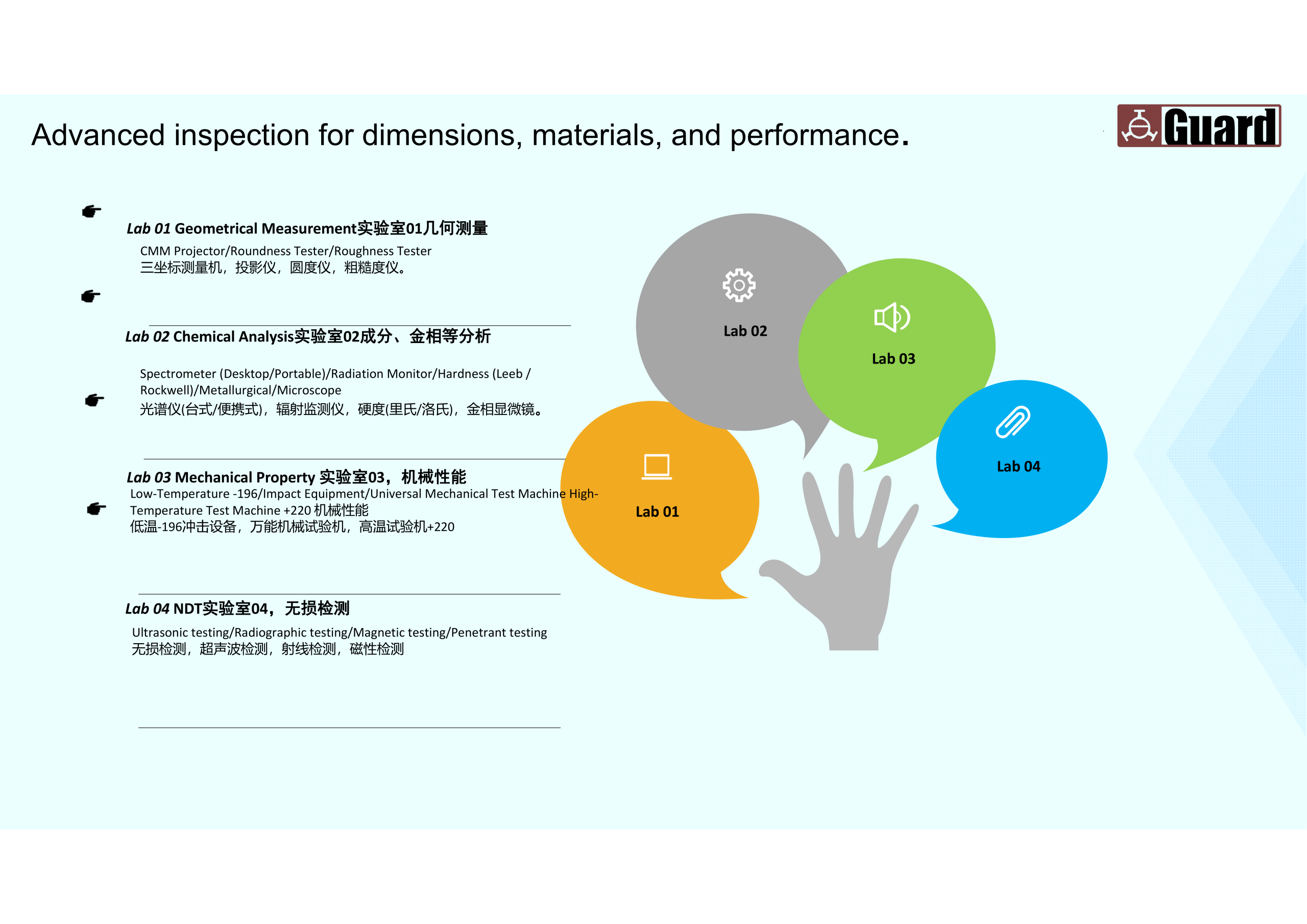
Guard valves ship with per-unit test records and full traceability. Request a sample documentation package.