


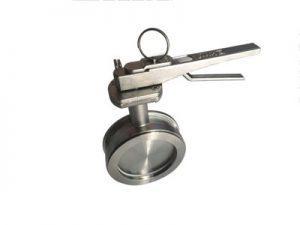
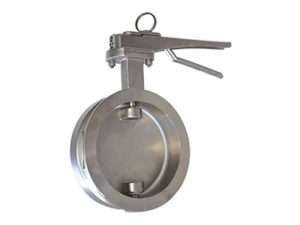
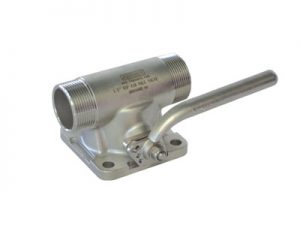
The most dangerous moment in tank container operations is not the sea voyage — it is the discharge. Climbing on top of a tank to open the air inlet valve, then descending to open the bottom valve, means the operator is either on the tank or walking away from an unvented discharge. The remote operation device removes this entire failure pattern.
The Problem It Solves
Discharging a sealed tank without air inlet causes vacuum collapse. But the standard procedure requires the operator to:
- Climb the tank ladder (fall risk, ice risk, chemical vapor exposure)
- Open the air inlet valve on top
- Climb down
- Open the bottom valve at ground level
Any lapse in sequence — a distracted driver, a rushed terminal slot, a frozen top valve — produces vacuum damage. Terminal statistics consistently rank falls from tank tops and vacuum collapse among the top operational loss causes.
How Remote Operation Works
A remote operation device mechanically (or pneumatically) links the air inlet valve actuator to a ground-level control. The operator:
- Connects and checks the discharge line at ground level
- Opens the air inlet valve from the ground, confirming it is fully open
- Opens the bottom valve — correct sequence, every time, no ladder
On GRAND TEK’s air inlet ball valve remote operation device, the linkage is designed for one-person operation with a clear open/closed indicator, compatible with both new builds and retrofit programs.
Four Benefits Beyond Vacuum Prevention
- Fall elimination — fewer climbs per cycle compounds across thousands of discharges per tank lifetime
- Faster turnaround — the tank vents during hose connection, not after a ladder trip
- Emergency response — in a spill or leak scenario, the tank can be vented or isolated without sending a person up
- Audit posture — terminals and major chemical shippers increasingly require or score remote operation in operator assessments
Retrofit Considerations
Retrofitting remote operation to existing tanks is straightforward when planned:
- Valve compatibility — the air inlet valve must accept the actuator interface (new-generation ball valves are designed for it)
- Mounting points on the frame for the control linkage
- Depot training — a 30-minute toolbox session covers operation and checks
Fleets typically retrofit during the 2.5-year intermediate test visit, when the tank is already out of service — near-zero incremental downtime.
Spec Checklist
- Positive open/closed indication visible from ground
- Operation possible with gloved hands in winter
- Compatible with your existing air inlet valve family or supplied as a matched set
- Corrosion-resistant linkage for marine service
- Included in the tank’s documentation for inspection purposes
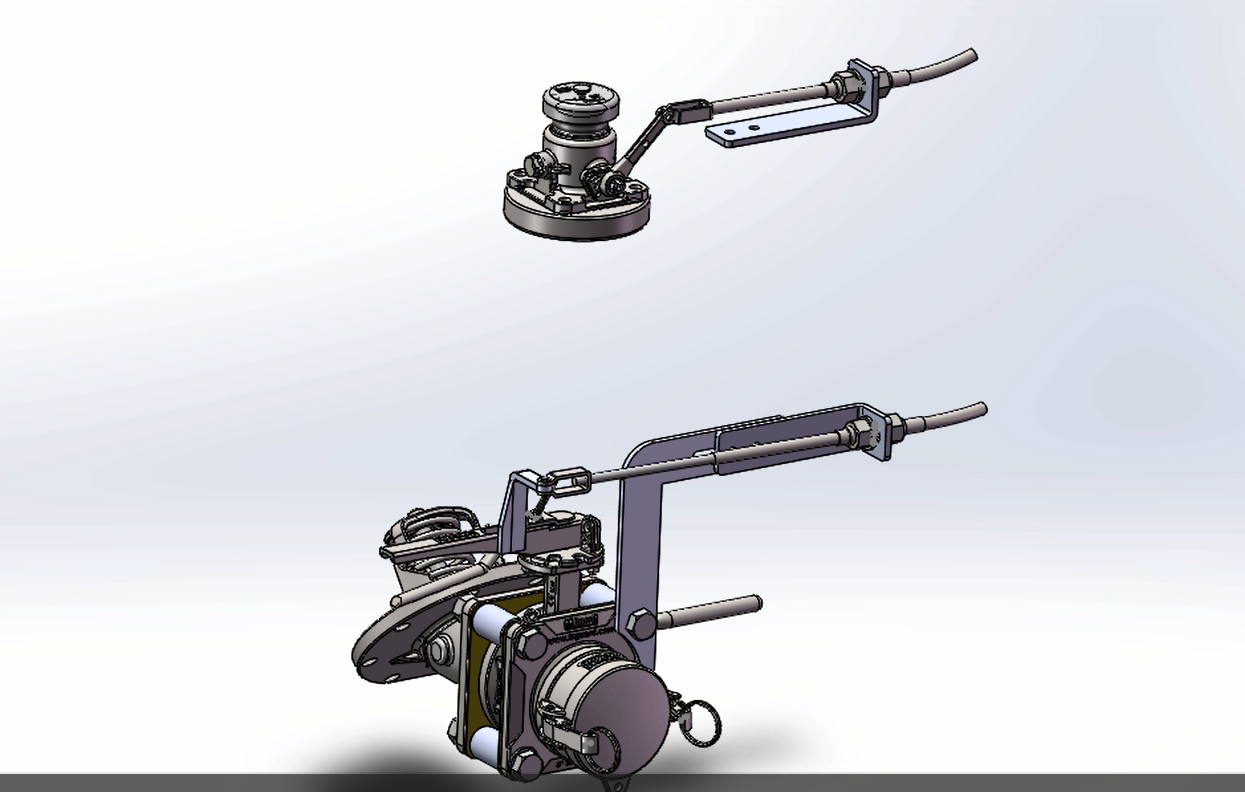
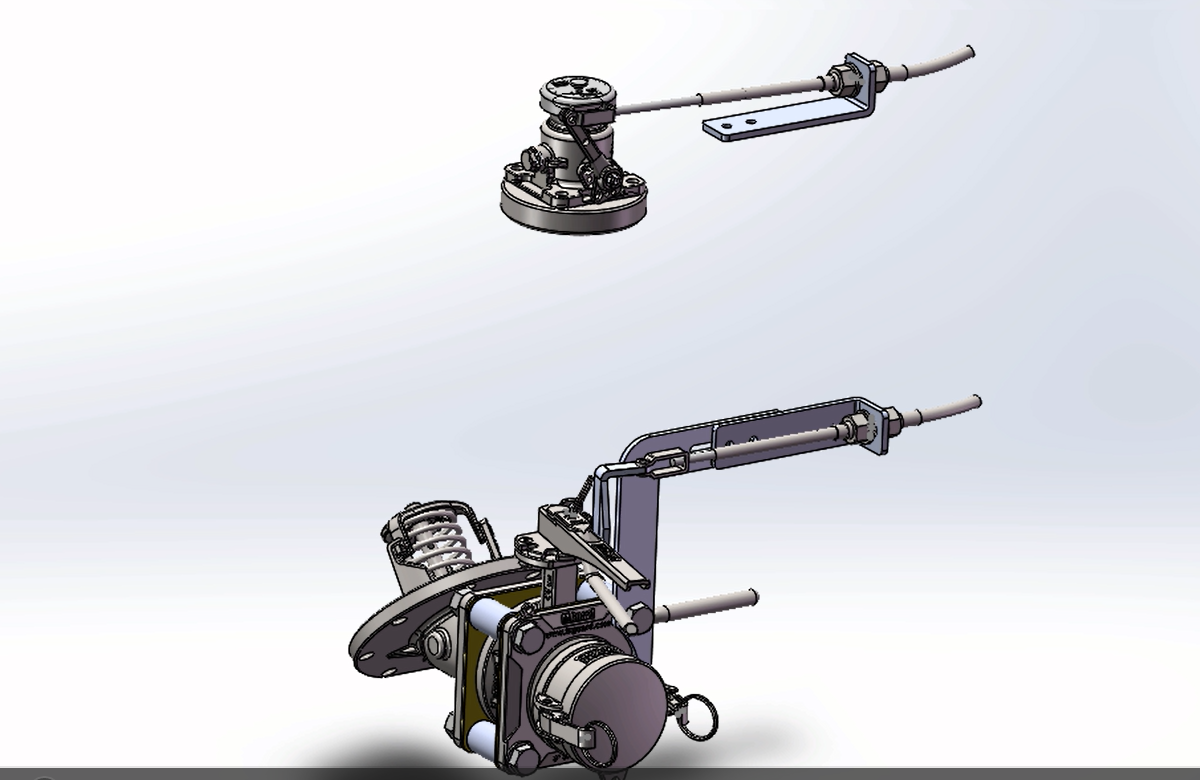
Guard supplies air inlet ball valves with matched remote operation devices for new builds and retrofits. See the remote operation device.