


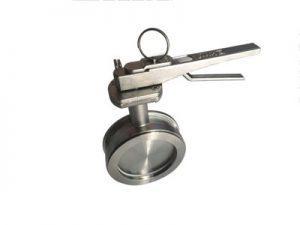
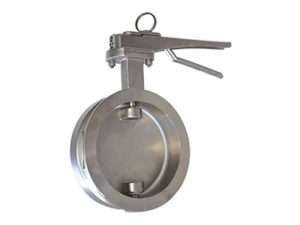
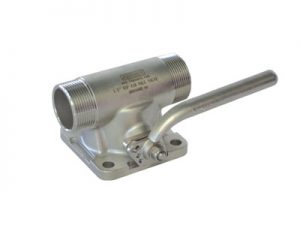
A food-grade tank container must satisfy two regulators at once: dangerous goods law (some food cargoes are regulated) and food contact law — FDA in the US, (EC) 1935/2004 in Europe, plus Kosher/Halal requirements from customers. The valve set sits squarely in both worlds.
What Counts as Food-Grade Service
Typical cargoes moving in dedicated food tanks: vegetable and edible oils, wine and juice concentrates, glucose and syrups, milk and whey, malt beverages. These cargoes are not usually “dangerous goods” in the classic sense, so the binding constraints are hygiene, contamination prevention, and cleaning validation.
The Four Requirements for Food-Grade Valves
1. Material Compliance
Wetted parts must be:
- 316L stainless steel (CF3M castings) as the baseline — with material certification per EN 10204 3.1
- Free of lead, cadmium, and non-compliant alloying elements
- Documented as food-contact compliant (FDA 21 CFR 177 / EU (EC) 1935/2004 declarations)
2. Surface Finish
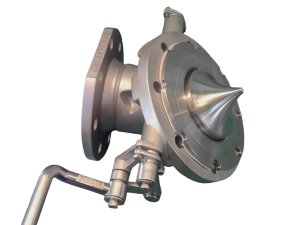
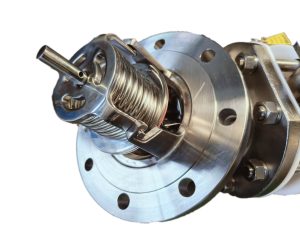
Cleanability is geometry plus finish. Standard industrial valves with rough internal cast surfaces harbor product residue and biofilm. Food-grade valve internals should be smooth-polished, with no dead pockets in the flow path where product can stagnate between cleaning cycles.
3. Seal Compatibility
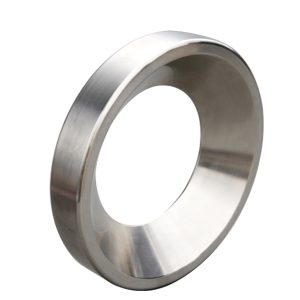
Seals that are perfect for chemicals can be illegal for food. Food-grade valve seals require:
- FDA-compliant elastomer compounds (EPDM and FKM food grades are common)
- Compatibility with the cargo itself — some oils swell standard compounds
- Resistance to cleaning-in-place (CIP) chemistry — hot caustic (NaOH) and acid cycles at 80°C+ degrade non-CIP seals rapidly
4. Certification and Change Control
Food logistics operators audit suppliers. Expect to provide: food-contact declarations per batch, material certificates, and — importantly — notification when seal compounds change, because a formulation change can void a customer’s kosher or organic certification.
The Cleaning Reality
Food tanks are cleaned more often than chemical tanks — after every single cargo. Valves endure daily hot-water and caustic cycles. Spec priorities in order:
- Seal compound rated for CIP temperatures and chemistry — the #1 failure point
- Replaceable seats so depot service is fast
- Drainable flow paths — no sumps where rinse water sits
- Consistent gasket family across manlid and valves so the depot stocks one kit
Mixing Fleets: A Warning
Operators who run both chemical and food tanks need dedicated food-only valve inventories. Cross-fitting a chemical-service valve into a food tank — even a clean one — fails customer audits on paper alone.
GUARD supplies food-contact-documented valve sets for edible oil, juice, syrup and beverage service. Request food-grade specifications.