


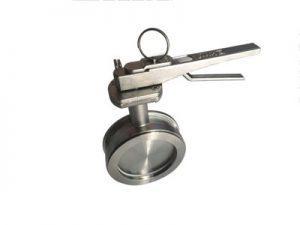
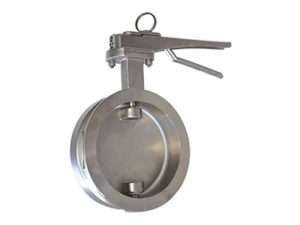
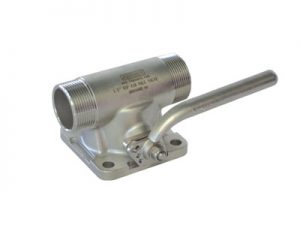
The manlid (manhole cover assembly) sits on top of every tank container and tank trailer. Operators open it at nearly every cleaning, inspection, and loading stop — which makes it the most cycled, most abused seal on the entire tank. Choosing the right manlid directly drives your fleet’s leak rate and inspection results.
What a Manlid Assembly Does
A complete manlid assembly performs four jobs:
- Sealing – maintains tank pressure and vapor-tightness with gasket and clamp force
- Access – allows entry for cleaning, inspection, and maintenance
- Pressure protection – many lids integrate secondary relief devices
- Inspection visibility – smaller inspection ports let operators verify cargo level and condition without opening the full lid
Main Types of Manlid Assemblies
500mm Low-Profile Manlid
The modern standard for chemical tank containers. A lower profile reduces overall tank height, improves stacking clearance, and lowers the center of gravity. Typical weight reductions of 20–30% versus older domed designs help tank builders meet payload targets.
500mm Manlid with 170mm Inspection Port
Adds a dedicated inspection hatch. Operators check cargo, take samples, and inspect the barrel interior without breaking the main seal — fewer full openings means longer gasket life and lower vapor loss.
300mm Low-Profile Inspection Manlid
A dedicated inspection-only unit, often fitted alongside the main manlid. Ideal for tanks where routine checks are frequent but full access is rare.
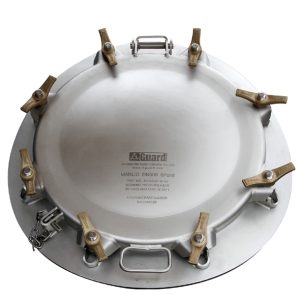
Selection Criteria That Matter
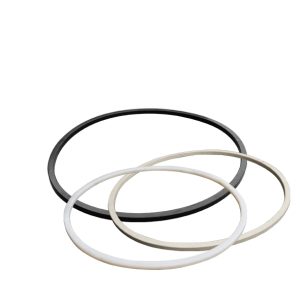
- Gasket material – must match your cargo list (EPDM for general chemicals, FKM for aggressive solvents, food-grade compounds for edibles)
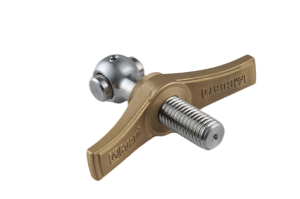
- Clamp design – quick-action clamps cut cleaning turnaround time
- Hinge quality – repeated opening cycles destroy cheap hinge pins
- Certification – the lid assembly must match the tank’s ADR / TPED certification scope
- Surface finish – for food-grade tanks, internal polish quality determines cleanability
Maintenance Reality Check
Industry experience is blunt: most tank leaks reported at filling plants trace back to manlid gaskets, not the barrel. A preventive program that inspects gaskets every cleaning cycle, replaces them on schedule rather than on failure, and keeps clamp threads lubricated will eliminate the majority of in-service leak events.
The Takeaway
Specify manlids with the same rigor as your safety valves. Weight, gasket compatibility, and cycle life are the three variables that decide whether your lid survives five years of daily operation.
Explore GUARD’s manlid assembly range — from 300mm inspection lids to 500mm low-profile assemblies with integrated inspection ports. View details.