


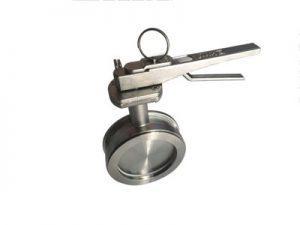
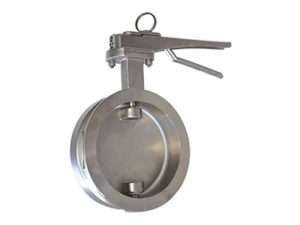
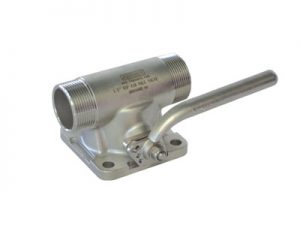
Every tank container in international service carries a legally mandated inspection clock: an intermediate test every 2.5 years and a full periodic test every 5 years. Miss the date and the tank is out of service — no exceptions, no extensions. Understanding what inspectors actually examine helps tank builders and fleet engineers design tanks that pass the first time.
The 2.5-Year Intermediate Test
The shorter cycle focuses on leak integrity and service equipment:
- Internal and external examination of the barrel, frame, and fittings for corrosion, dents, and cracks
- Leakproofness test — typically 0.9 bar air or as specified, with the tank pressurized and joints checked (soap solution or underwater)
- Service equipment function check — and this is where valves live:
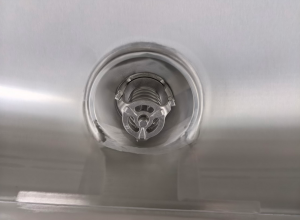
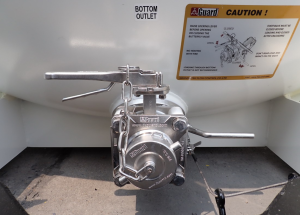
- Bottom discharge valve: closing function, leak rate, remote operation
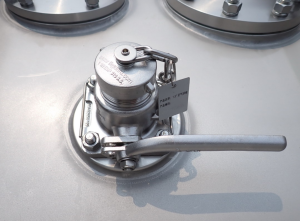
- Air inlet valve: opening and resealing
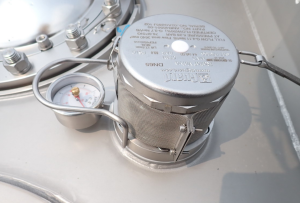
- Safety relief valves: set pressure verification (bench or in-line)
- Manlid gaskets and clamps: condition and sealing
- Framework and datum plate check
The 5-Year Periodic Test
The full test repeats everything above and adds the structural heart of the tank:
- Hydraulic pressure test at test pressure (commonly 6 bar for many chemical tanks — per the tank’s certification, e.g., 4 bar working / 6 bar test)
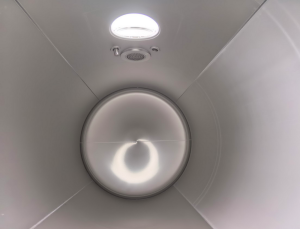
- Internal inspection with the manlid removed — weld seams, sump, corrosion mapping, thickness measurement
- Burst/relief device recalibration or replacement per jurisdiction
- CSC (container safety convention) frame inspection — corner castings, rails, underframe
The Valve Checklist That Decides Pass or Fail
Field experience from depots is consistent — most first-time test failures are valve and gasket failures, not barrel failures:
- Bottom valve leak rate exceeding class limits — worn seats from crystallizing cargo
- Safety valve set pressure drift — spring corrosion or seal swelling
- Air inlet valve sticking — vapor deposits on the ball or disc
- Manlid gasket leaks — compression set from hundreds of opening cycles
- Missing/unreadable valve markings — traceability stamps worn off
How Tank Builders Can Design for Testability
- Specify valves with replaceable seat cartridges — 30-minute service instead of valve replacement
- Choose remote operation devices that allow function testing without man-entry
- Standardize valve families across your fleet so depots stock one repair kit set
- Demand 100% factory-tested valves with stamped batch traceability
Economic Framing
A failed intermediate test means: tank out of service, cargo rebooking, depot re-test fees, and expedited parts. One avoided failure pays for a fleet-wide upgrade to testable, cartridge-serviceable valve designs.
GRAND TEK valves are built for periodic-test longevity: replaceable seats, stamped traceability, and 100% factory testing. Talk to our engineers.